How to Book Your Perfect Thai Oil Massage - Thai Massage Booking Tips

Booking a Thai oil massage can be a wonderful way to relax, rejuvenate, and experience the authentic traditions of Thai wellness. As someone who has explored various massage techniques, I understand how important it is to find the right place and the right therapist to ensure a truly satisfying experience. Whether you are new to Thai oil massage or looking to deepen your knowledge, this guide will walk you through everything you need to know to book your perfect session. Book your massage now at +39 3891478133
Essential Thai Massage Booking Tips
When it comes to booking a Thai oil massage, preparation is key. Here are some practical tips that will help you make the best choice and enjoy your massage to the fullest:
Research the spa or massage center: Look for places that specialize in traditional Thai massage. Authenticity matters, especially if you want the full benefits of this ancient practice.
Check therapist qualifications: A well-trained therapist will understand the nuances of Thai oil massage, including pressure points and oil application techniques.
Read reviews and testimonials: Feedback from previous clients can give you insight into the quality of service and atmosphere.
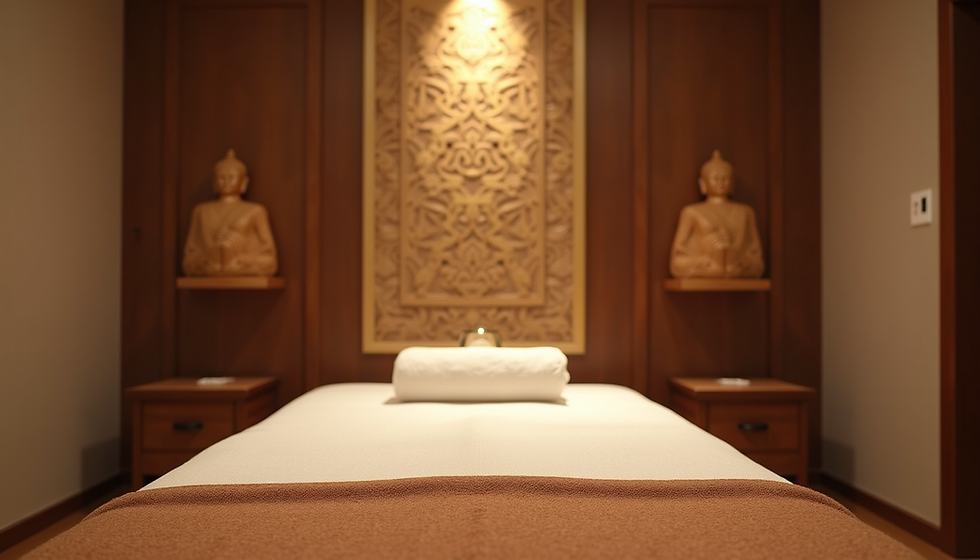
Consider the ambiance: The environment should be calming and clean, with soothing music and comfortable settings.
Ask about the oils used: Natural, high-quality oils enhance the massage experience and nourish your skin.
Book in advance: Popular spas often fill up quickly, so scheduling ahead ensures you get your preferred time slot.
By following these tips, you can avoid common pitfalls and ensure your massage is both relaxing and therapeutic.

What Happens During a Thai Oil Massage?
Understanding what to expect during your session can help ease any nerves and allow you to fully enjoy the experience. A Thai oil massage combines traditional Thai massage techniques with the use of warm, fragrant oils to relax muscles and improve circulation.
Here’s a step-by-step overview of a typical session:
Consultation: The therapist will ask about your health, any areas of tension, and your preferences.
Preparation: You will be asked to lie down on a comfortable massage bed, usually wearing loose clothing or a towel.
Oil application: Warm oil is gently applied to your body, often infused with herbs or essential oils.
Massage techniques: The therapist uses a combination of long strokes, kneading, and gentle stretching to release muscle tension.
Focus on pressure points: Specific points along the body’s energy lines are stimulated to promote balance and healing.
Relaxation: The session ends with light strokes to soothe the skin and calm the nervous system.
The entire process typically lasts between 60 to 90 minutes, leaving you feeling refreshed and deeply relaxed.

Choosing the Right Thai Oil Massage for You
Not all Thai oil massages are the same. Depending on your needs and preferences, you might want to consider different styles or focuses:
Relaxation-focused massage: Ideal if you want to unwind and reduce stress.
Therapeutic massage: Targets specific muscle pain or stiffness.
Aromatherapy-enhanced massage: Uses essential oils to boost mood and well-being.
Deep tissue massage: Applies firmer pressure to reach deeper muscle layers.
When booking, communicate your goals clearly to the therapist or spa staff. This ensures they tailor the session to your needs.
How to Prepare for Your Thai Oil Massage
Preparation can enhance your massage experience significantly. Here are some simple steps to get ready:
Hydrate well: Drink plenty of water before and after the massage to help flush out toxins.
Avoid heavy meals: Eat lightly at least an hour before your session.
Wear comfortable clothing: Loose, breathable clothes make it easier to relax.
Arrive early: Give yourself time to settle in and fill out any necessary forms.
Inform the therapist of any health issues: This includes allergies, injuries, or medical conditions.
By preparing properly, you’ll maximize the benefits and enjoy a smoother, more comfortable session.
Why Sabia Thai Massage Alba is Your Go-To Place
If you are in Alba and looking for an authentic Thai oil massage experience, Sabia Thai Massage Alba is quickly becoming the reference point for traditional Thai wellness. Their team of skilled therapists combines ancient techniques with high-quality imported oils and equipment to deliver a truly immersive experience.
They also offer a range of Thai products and tools for both private clients and professionals, making it a unique destination for anyone passionate about Thai massage culture.
If you want to book a thai oil massage that respects tradition and offers genuine relaxation, Sabia Thai Massage Alba is the place to go.
Tips for After Your Thai Oil Massage
To extend the benefits of your massage, consider these aftercare tips:
Rest and relax: Avoid strenuous activities immediately after your session.
Stay hydrated: Continue drinking water to support detoxification.
Take a warm bath: This can soothe muscles and prolong relaxation.
Eat light, healthy meals: Nourish your body with fresh foods.
Schedule regular sessions: Consistency helps maintain wellness and balance.
By following these simple steps, you can enjoy the lasting effects of your Thai oil massage and support your overall well-being.
Booking your perfect Thai oil massage is a rewarding journey that combines self-care with cultural tradition. With the right preparation and knowledge, you can experience the full benefits of this ancient healing art. Whether you are seeking relaxation, pain relief, or a deeper connection to Thai wellness, the right massage awaits you.